







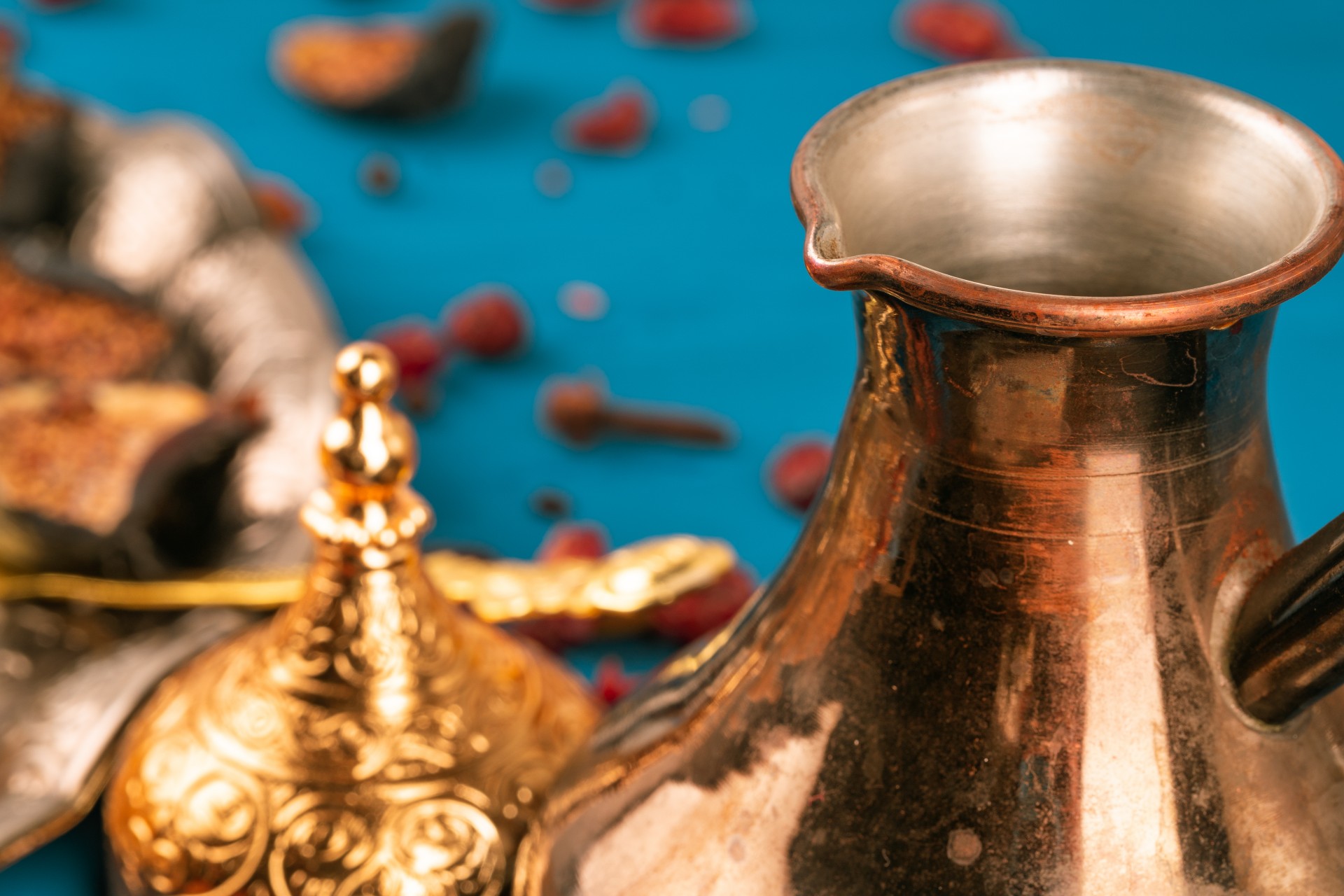
Coffee is one of the most celebrated morning rituals around the world. The dark, rich flavor gets most of us stirring in the morning. Although it is known as coffee beans, the plant is not a bean, and the coffee cherry-like fruits are the first stage of their development. The seeds inside are air-dried before they’re fed into the grinder, creating the delicious grounds we use to make our favorite morning pleasure. With that said, where did coffee with its delectable, aromatic blends originate?
Origins Of Coffee In Ethiopia and Yemen
Coffee may have its origins in mountainous Ethiopia, where the Coffea arabica fruit is harvested. It started with the mythical story of the goat herder Kaldi. While tending to his goats one day, Kaldi discovered that his goats seem to be chewing on a particular plant. On observation, he noticed the animals seem to have a burst of energy. When he began to chew on the plant’s berries himself, he too had a burst of energy. With this new knowledge, he took the information to the monks at the local monastery. The monks felt that the coffee had a pleasing aromatic flavor, and it could keep them awake through much of the long hours in prayer. As a result, stories about the berries could provide the body with lots of energy spread throughout the region.
Although this Ethiopian myth began hundreds of years ago, it is believed that coffee was chewed and used as a stimulant years before the myth. In 10th-century Ethiopia, historians discovered the tribes consumed coffee in the form of porridge. Historians also noted that the beans were grounded and mixed into a thick paste with animal fat, which travelers used for energy through long journeys.
The Ethiopians introduced the coffee plant to Yemen during an invasion of the country sometime in the 6th century. The Arabica trees were then commercially cultivated there. As the years passed, the people of Yemen made coffee into a drinkable beverage. Yemen is also where the term “mocha” originated. While it’s now most closely identified with chocolate-flavored brewed coffee known as the mocha latte, it was initially a reference to the Yemeni city of Mocha on the Red Sea coast. It was a massive trading center for coffee beans of the Mocha variety, which are prized for their distinct flavor. European who frequently traveled to the Near East hear stores about and brought back a dark beverage that was magical. News of it became so widespread, by the 17th century, it had made its way through the European continent.
Origins Of Coffee In The Arabian Peninsula
In the sixth century, Ethiopia invaded and ruled Yemen for fifty years; the result was the spread of coffee throughout the Arabian Peninsula. The Arabs started to grow their coffee on plantations. The roasted coffee, which is a large part of today’s culture, originated in Arabia. They would boil the coffee beans, which resulted in a tasty and strengthening beverage. It was dubbed Qahwa due to its ability to prevent sleep. According to legend, during the 13th century, coffee was highly valued among Muslims for its ability to keep them from sleeping during long periods of meditation.
The people of this region also used coffee for health and religious reasons on the Arabian Peninsula, but its popularity quickly made it a part of daily life. The rich and powerful began to incorporate coffee rooms into their homes to host coffee ceremonies. The first coffeehouses grew out of the private coffee room. Furthermore, Muslim pilgrims contributed to the expanse and appeal of coffee throughout Persia, Egypt, Turkey, and North Africa during the fifteenth century; you could find coffee and various coffee shops all over the Muslim world by the sixteenth century.
As thousands of pilgrims took the knowledge and wisdom of this coffee elixir through the East, eventually, it spread worldwide. In other words, coffee would lose its centrality in the Middle East, and growers would drive the Arabs out of the business as it made its way through Europe.
Banning Of Coffee in the 18th Century
Throughout history, coffee has been banned several times. It was most notably thought to be the devil’s elixir. Nonetheless, in the latter half of the 18th century, Prussia’s King, Frederick II, barred his subjects from drinking coffee but told them to drink good beer instead. In Frederick’s view, commerce could be highly damaging to his kingdom’s economic system, and therefore he felt commerce had to be restricted rather than be engaged. Since coffee, apart from beer, costs a great deal of money to ship across the coastline, Frederick constantly griped on the topic of loss of trade revenue. He came to believe that tax revenues could be better invested in good-functioning Prussian businesses.
To better control the public’s spending habits, Frederick issued many regulations that only a select few were allowed to apply for licenses but provided waivers to coffee roasters who were closely associated with his court.
Exportation Of Coffee Around The World
Coffee is the world’s second most popular beverage, with Europe having the highest consumption; we have an annual demand for nearly four billion cups of coffee per day. Coffee is one of the world’s most popular commodities in today’s market. In value, every year, the coffee we export gains in worth. Besides being used in the production of beverages, coffee can be decaffeinated and used to manufacture other cosmetics and pharmaceuticals. Robusta and Arabica are the two primary commercial coffees grown.
Brazil is considered one of the best coffee manufacturers in the world. The country produces roughly one-third of all coffee in the world. Despite its vast domestic coffee consumption, Brazil is also the world’s biggest exporter of coffee. Brazil is unmatched in terms of Arabica, green coffee, and instant coffee production. Brazilian coffee’s largest markets are Japan, the USA, and Europe.
In the last few years, the coffee industry has grown significantly due to the financial capabilities of coffee as a commodity. With sizeable annual coffee consumption, coffee demand is likely to rise even more. That’s why international coffee sales in Asia and various Caribbean islands proliferated. Some of the world’s best coffee exporters include Brazil, Vietnam, Germany, Colombia, and Switzerland.
Modern Day Coffee
Coffee culture is a set of norms and social behaviors, especially in a variety of settings. The circle of coffee consumption has become a typical pass time for many people around the world. Coffee is not just a typical brew but offers various flavors and aromas and is considered a generally consumed stimulant. The espresso has become an increasingly prominent drink at the end of the 20th century, contributing to coffee culture, especially in the Western global economy and other urbanizing centers worldwide.
Coffee has today become an integral part of our society. The “coffee break” during work time helps to maintain energy all day. At home, this is a focus for entertainment. It provides a social environment. There’s nothing more special than having a great cup of coffee with friends. A funny family day often winds through the kitchen only with the commonly associated smell of coffee brewing.
Coffee drinkers enjoy socializing with their favorite drinks, which extend beyond just coffee to include specially made espresso beverages. Coffee shops have been around for a while, but since the 1990s, there has been an explosion of coffee houses. Culture is inherently inspired by coffee, and coffee houses contribute to the experience of coffee culture.
Conclusion
Coffee is easily one of those consumed by a large portion of the world in any cultural context. Coffee is most often the first thing we think about after waking up in the morning. It provides the energy needed to be most productive in our day. This delicious beverage can brings communities together. We meet up with friends for a night out at the neighborhood Starbucks. Coffee is a significant part of daily life for people around the world. We attend meetings with coworkers and clients drinking coffee. We might even go out on a date to have coffee at a shop or restaurant after a meal. It’s great to socialize, connect, and sometimes relax at the end of a long day. Whether it originated in Ethiopia or Yemen, it doesn’t matter because coffee is our beverage of choice, and it’s here to stay.