





If you use coffee as a pick-me-up to get through the day, or you are trying to avoid getting too much coffee, you will want to make sure that you learn about the caffeine content in coffee and what strengthens that content.
What is Caffeine?
Caffeine is a psychoactive and alkaloid stimulate that can help to speed up the central nervous system. Caffeine can be found in coffee, tea, cocoa, and as an additive to things like energy drinks and some over-the-counter medications. Caffeine can affect individuals differently. Some people may feel super excited or jittery after just one cup, while others may be able to fall asleep right after consuming it. It generally takes your body about 45 minutes to absorb the caffeine into your bloodstream. For most people, the effects of coffee last for around three hours.
Roasting Level And Caffeine
When it comes to caffeine levels in coffee, there are a variety of factors, including roast level, bean type, coffee beans used, and the brewing and measuring techniques. When you want to find out the amount of caffeine your coffee beans have in them, you will first want to go straight to the coffee bean. There are two different types of coffee plants, the Arabica coffee plant, and the Robusta coffee plant. Robusta beans are easy to farm and have twice as much of caffeine in them. Arabica is higher quality beans and does not have quite as much caffeine in them. It does not appear that the country of origin has any effect on the caffeine in the beans.
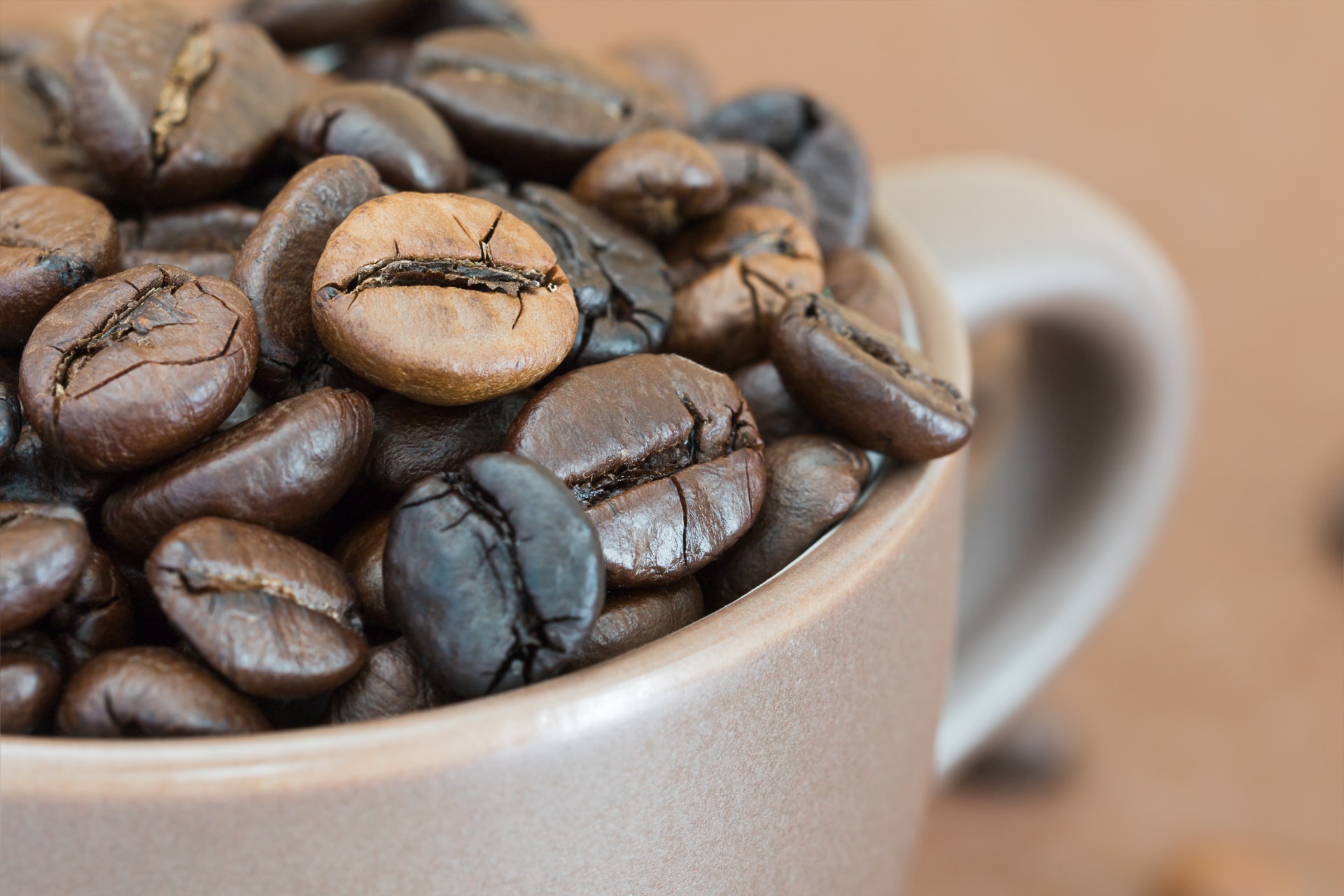
One of the most common misconceptions out there about coffee beans is that dark roasted coffees have the most caffeine. People assume this because they have a robust flavor and a dark color. People also tend to think that lightly roasted coffee has a stronger caffeine content because it is brewed for less time, and that is less time for the caffeine to burn off. Both of these are misconceptions and very incorrect. When coffee is roasted, the caffeine level remains the same. The thing that changes during the roast is that the taste and volume. As the beans are roasted, they lose mass, and they lose a good amount of their moisture. When beans are roasted dark, they will be lighter weight. The decrease in the density of the coffee beans is another reason why people think dark roast coffees do not have as much caffeine.
So How Do You Know The Caffeine Levels?
So how do you determine what kind of caffeine exposure you are getting? You will need to know this in order to minimize or maximize your caffeine intake. The grinding and brewing process can determine how much caffeine levels are in your cup of coffee.
The amount of coffee you brew controls the amount of caffeine you consume, not the roasting factor. Dark roast coffees weigh less than coffees that are lightly roasted. When you have a pound of dark roasted beans, they will include more than what you would get in a bag of light coffee beans. So when you measure by volume with a scoop, the light roast that has heavier and denser beans will produce more caffeine for your coffee. When you measure your dark roast by weight, you will have more coffee in the dark roast. A good way to look at it is if you measured out 20 grams of both kinds of coffee. They will, of course, weigh the same. The dark roast will have more caffeine because more beans will be used to create the weight.
Brewing Methods and Caffeine
Unlike roasting, the brewing method used to make your coffee can contribute to the caffeine levels.
- Cowboy and Turkish coffee. Cowboy and Turkish coffee are created to have the highest extraction of caffeine. There is no filter involved, and the grinds are mixed with boiling water.
- Pour-over techniques. This includes the Hario, Chemex, and Kalita techniques. This method has one of the highest extractions for caffeine. You will need to have a fine grind size and slowly pour hot water over the ground coffee. Hotter temperatures and grind size will increase the caffeine content.
- AeroPress. The AeroPress will create a caffeine content similar to the pour-over. You will need to do a medium grind size.
- French press. French presses will not cause high extractions of caffeine. If you are wanting to decrease your caffeine content while still enjoying a great cup of coffee, the French press is for you.
- Cold brew. Cold-brew does not allow you to get much caffeine from the coffee beans. The only way a cold brew will give you enough caffeine is to drink it straight with nothing added to it.
Where to Purchase Your Coffee Beans
Now that you know how to determine the caffeine in your coffee, you will want to figure out what kind of beans you will use and where to purchase them from. If you are looking for less caffeine, you should stick with a lighter roast that uses fewer coffee beans. If you want to avoid caffeine altogether, you should get a decaffeinated blend. When wanting to avoid caffeine or lessen your caffeine exposure, you will also want to make sure that you get arabica beans as they do not have as much caffeine.
You can purchase your coffee beans at your local grocery store or your local coffee shop. You may be better off purchasing the beans at your local coffee shop as they can help you find beans that will have the best caffeine content or not. They can also help you to find a decaffeinated coffee that will taste just as good as the real thing. You can also purchase your coffee beans online on specialty coffee websites or on sites like Amazon. To make sure that you are purchasing the right kind of beans for your particular taste, do some research. Find the country of origin and read some of the reviews about the coffee. Reading the reviews will help you to determine if that brand of coffee is right for you.
Lowering or increasing your caffeine intake is easy once you know how to determine how much caffeine there is in your coffee beans. Remember, that caffeine content does not have to do with how the coffee is roasted but the size of the coffee beans and how much is used per cup.