







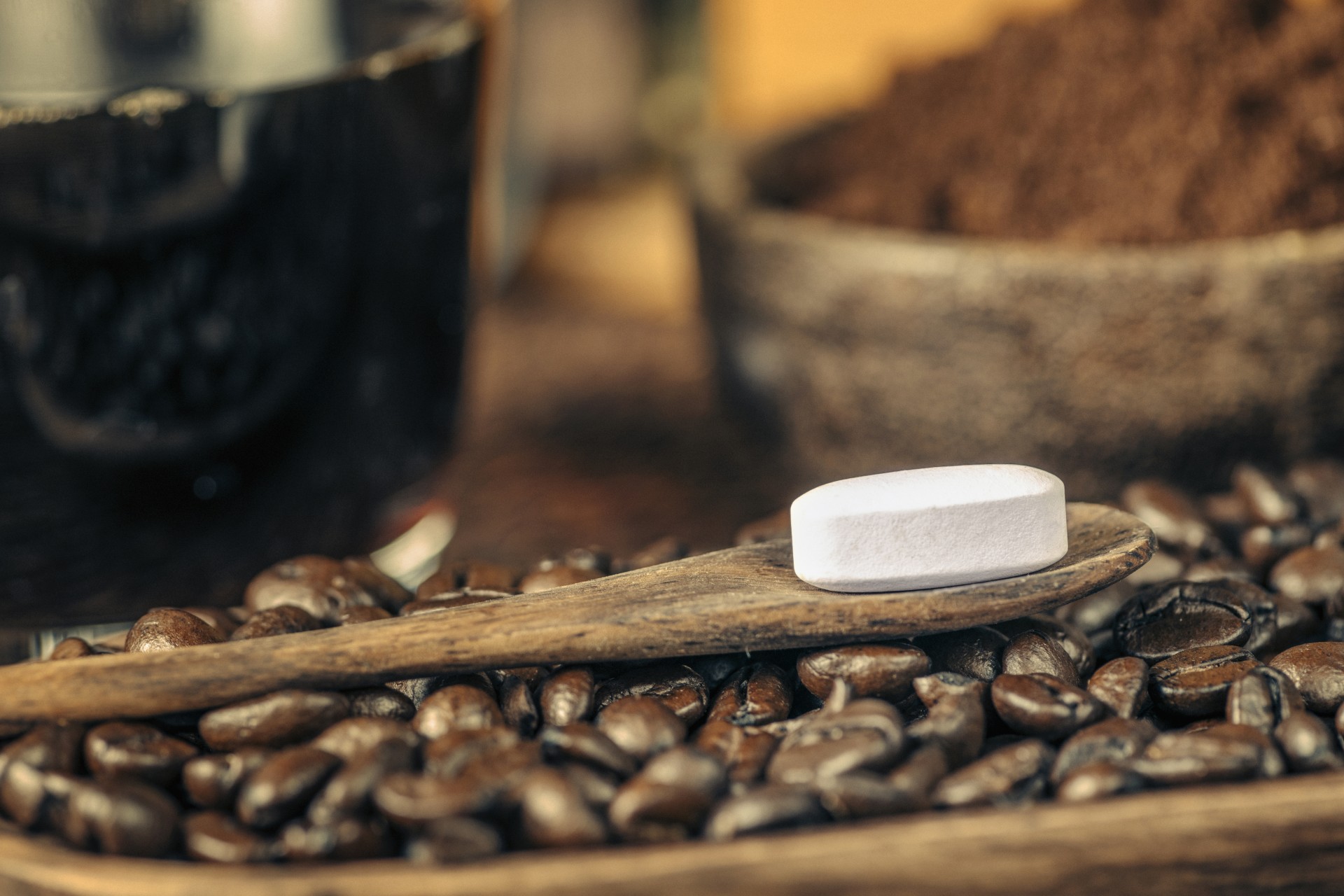
When you wake up each morning, it can be easy to rely on caffeine to jumpstart your day and help you to feel alert. Whether you drink coffee or tea, caffeine can increase your mood and help you to get moving. When you have a regular intake of caffeine each day, it’s important to know the benefits and risks of consuming it.
Promotes Weight Loss
Consuming caffeine each day can promote weight loss because it’s effective in suppressing the appetite and allowing you to feel full for a longer period of time. When you consume caffeine in the morning or afternoon, it can allow you to reduce your calorie intake the rest of the day, leading to weight loss. It also stimulates thermogenesis, causing the body to generate a lot more energy and heat after it digests food.
By stimulating the nervous system, caffeine can also boost the metabolism by up to 11 percent while burning fat up to 13 percent. You can even burn an average of 79 calories every day if you consume 300 mg of caffeine.
It also has the ability to burn fat because it’s shown to stimulate hormone-sensitive lipase for those who consume it at higher doses. It causes protein kinase A to kick into action, which is essential for lipid and glucose metabolism.
Boost Your Energy Level
One of the main reasons most people consume caffeine is because of how it makes them feel alert and energized. It’s a great way to boost productivity and feel less sluggish, especially for those who suffer from sleep disorders. With an intake of 75 mg of caffeine, it can boost the memory and speed reasoning within a few minutes. It is effective in blocking a chemical in the brain called adenosine, which is what makes you feel tired if you don’t get enough sleep.
Some people even experience improved performance while playing sports or exercising after drinking caffeine. Consuming caffeine before a workout can make it possible to have more endurance capacity and less perceived exertion, making it ideal to consume an energy drink in advance. By boosting the adrenaline levels in your blood, it can allow you to feel more energized and motivated to move.
The stimulant can even be effective in aiding your post-workout recovery because it will burn off a lot of glycogen that is present in the body. This is needed for recovery and stimulates more of the glycogen. It’s even more effective when you consume carbohydrates with caffeine. Well-trained athletes can benefit from this formula as they prepare for their practice sessions and competitions.
Improved Brain Function
Because of the polyphenol antioxidants caffeine contains, it’s effective in boosting the brain function by acting on different pathways. It can make it easier to enhance your thinking skills and reduce mental decline that often occurs as you get older. Research has found that it increases visuospatial reasoning, choice reaction time, incidental verbal memory, and visuospatial reasoning, especially in older adults compared to younger adults.
Drinking caffeine for many decades can even reduce the risk of developing Alzheimer’s and Parkinson’s disease. Those who drink two to five cups of coffee each day can lower their risk of developing cognitive issues by 65 percent. Caffeine is considered to be an adenosine receptor antagonist.
It also works well for increasing long-term memory and helping the brain remain sharp with age. Low consumption of caffeine doesn’t come with a lot of risks. Experts suggest limiting your intake to 300 to 400 mg each day, which equates to three to four cups. It’s also important to keep in mind that some decaf beverages still contain caffeine and can contribute to your overall intake.
Reduce the Risk of Cancer
One of the main benefits of consuming caffeine is reducing the risk of some types of skin cancers. Studies have shown that it can lower the risk of basal cell carcinoma for women when three cups of coffee are consumed each day. When it was applied to mice during tests performed, it even protected against damaging UV rays.
The risk of developing colon cancer can also be reduced by 26 percent. Keep in mind that the type of coffee you drink influences these rates and how caffeine can benefit your health. It’s important to avoid adding a lot of added ingredients like sugar or cream to your beverages to ensure you can reap the benefits caffeine offers. Some of the most natural and healthiest ingredients to add to your coffee or tea to enhance the flavor includes cinnamon, cardamom, vanilla extract, and cocoa powder.
Reduce the Risk of Type 2 Diabetes
Another reason to have more than one cup of caffeinated coffee each day because it can reduce your risk of developing Type 2 diabetes by one percent. Adults who drink less than one cup of coffee every day are at a higher risk of developing diabetes by 17 percent. Studies show that there are increased fasting insulin concentrations after four weeks of consuming caffeine. This may be due to insulin sensitivity that is lowered.
Some studies even show that it can reduce the risk of heart disease by 16 to 18 percent when drinking up to four cups of a caffeinated beverage every day. If you prefer to drink green tea each day, it’s shown to lower the risk of strokes by 14 to 20 percent. It can even protect the liver from damage by 84 percent due to enzyme levels that are within a normal range.
Increased Risk of Depression
Many people don’t realize that regular consumption of caffeine can increase the risk of depression. It can cause anxiety and depression to become more severe over time by triggering restlessness, a fast heart rate, nervousness, and gastrointestinal issues.
Caffeine withdrawal can also occur as the body develops a dependency on it. This can lead to headaches, irritability, tremors, fatigue, a depressed mood, and anxiety. Although it’s not as dangerous as a withdrawal from opioids, it can still be challenging to experience.
Increased Risk of Death
In rare cases, caffeine can increase the risk of premature death for those who drink an average of 10 cups of coffee each day, specifically for those with coronary artery disease. For those who have had a history of cardiac arrest, it’s important to limit the consumption to prevent it from having an adverse effect on the heart.
Caffeine is linked to increased blood pressure, prompting a temporary rise when it’s consumed. This increases how you react to daily stress and can also increase blood glucose levels. Many people obtain a lot of their caffeine through soft drinks, which continue to increase in size and make it difficult for people to monitor their intake. Diet pills and energy drinks also contain a lot of caffeine.
Those who abuse caffeine can also begin to experience heart palpitations, tremors, and nausea. Some people may also start to suffer from insomnia, especially when they consume caffeine later in the day. Overuse of caffeine can affect your sleep habits, especially for those who have a history of sleep disorders. It can make it more difficult to stay asleep throughout the night and lead to a low sleep quality.
If you’re getting your caffeine from soft drinks, it can cause sleep-disordered breathing, which is known to trigger Obstructive Sleep Apnea. This can gradually lead to feeling sleepy during the day and lead to lower energy levels. It’s important to avoid consuming caffeine at least six hours before your bed time to prevent it from affecting your sleep routine.
Some people even feel like drinking caffeine causes them to feel more fatigued instead of energized and alert. Individuals who suffer from conditions like ADD and ADHD can have the opposite effects because the stimulant reduces their energy levels and calms their mood. You may find it difficult to stay awake during the day and feel alert.
Leads to Nausea
Nausea can be triggered due to acid reflux. Those who have more sensitivity to caffeine are more likely to feel nauseous after they consume one or two cups of coffee or tea. It can cause the digestive system to begin moving quicker, which triggers the feelings that you may get sick.
Triggers Headaches and Migraines
One of the main effects caffeine has on the body is that it narrows the blood vessels surrounding the brain, which can affect the blood flow. Those who tend to get headaches can develop them more frequently if they have regular consumption of caffeine. There’s a higher risk of suffering from a migraine with more consumption of coffee or tea, making it necessary to limit your intake or switch to decaf.
Understanding the benefits and risks of caffeine can allow you to become more responsible with your intake. It’s important to be aware of how you notice it affects your body to ensure you can adjust your intake accordingly.